We invite you to a club format event, whose ambition is to bring Slovak companies – exporters
valuable information and experience on export and expansion opportunities. This time we will discuss the Sub-Saharan Africa region.
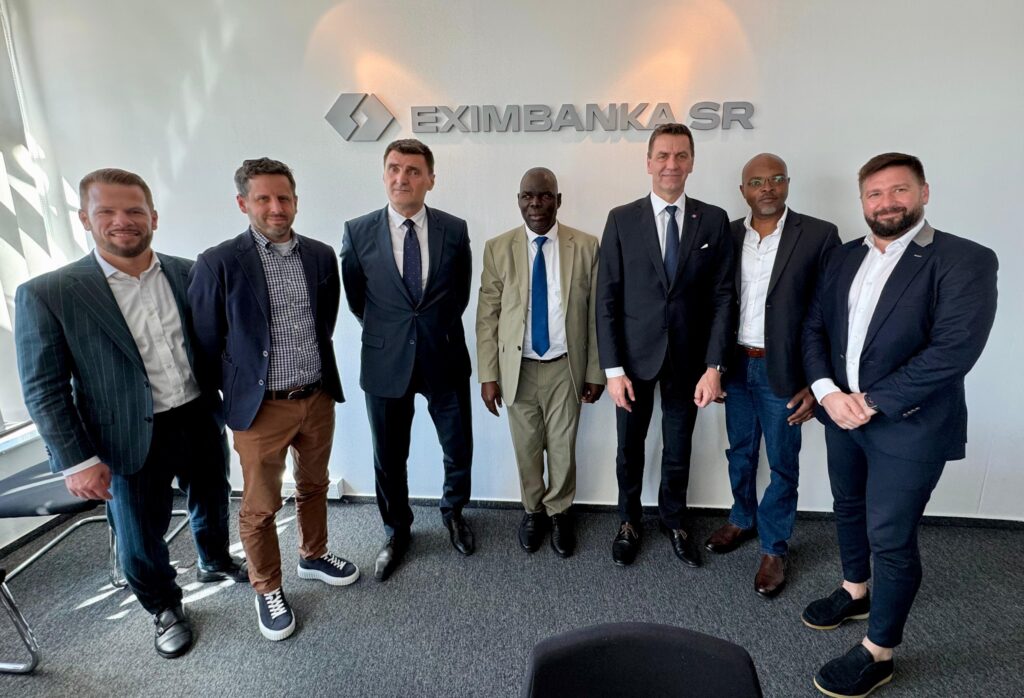
Representatives of Eximbanka met and discussed with representatives of the Ugandan Embassy, a Ugandan company from the field of education, Slovak exporters and honorary consuls of Uganda and Congo in the Slovak Republic about:
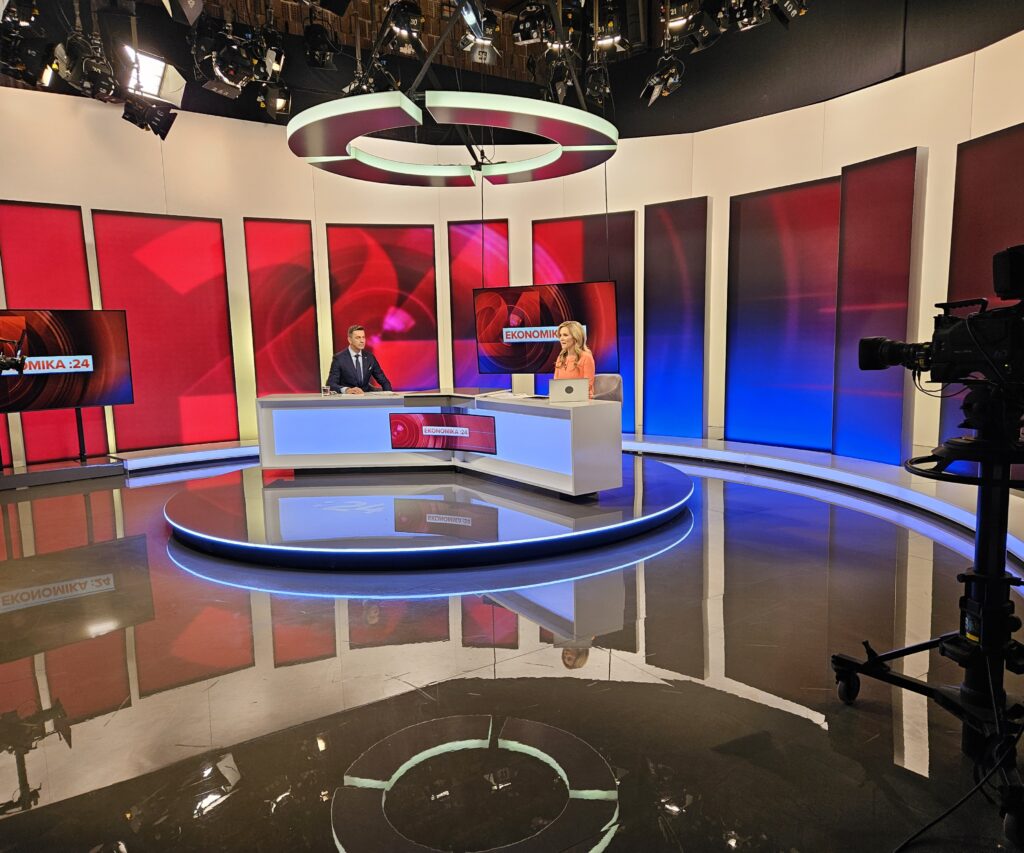
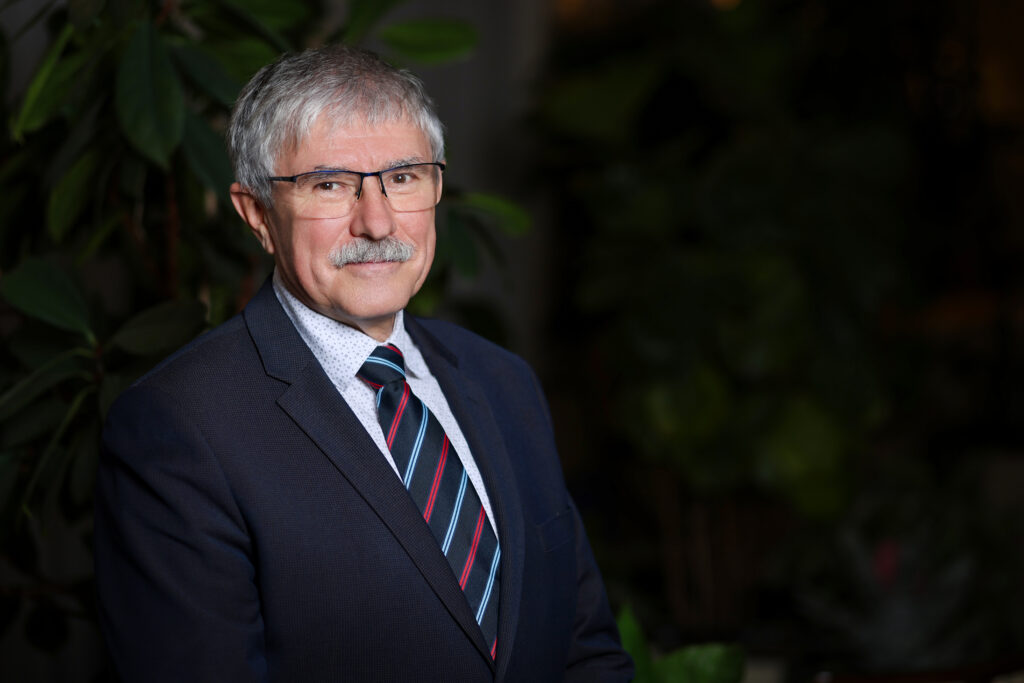
In today’s world, building awareness and a positive reputation is essential for
any organization, public or private, he says in an interview with Why Not! Diana Polónyi, Director of Communications and Marketing at Eximbank.
The Indian market is full of challenges that an exporter has to take into account – they need to have a good business plan, the ability to scale production and a strong local partner.
Slovak exports are traditionally associated with automobiles, electronic equipment or engineering products, but there are also areas that hide great export potential.
Betamont was founded in 1992. In 1996 we took over the executive unit of the Košice Signalling and Signalling Workshop from the Slovak Railways as part of the privatisation process.
See our products
Banking products
We will select a solution package that
fits your needs