
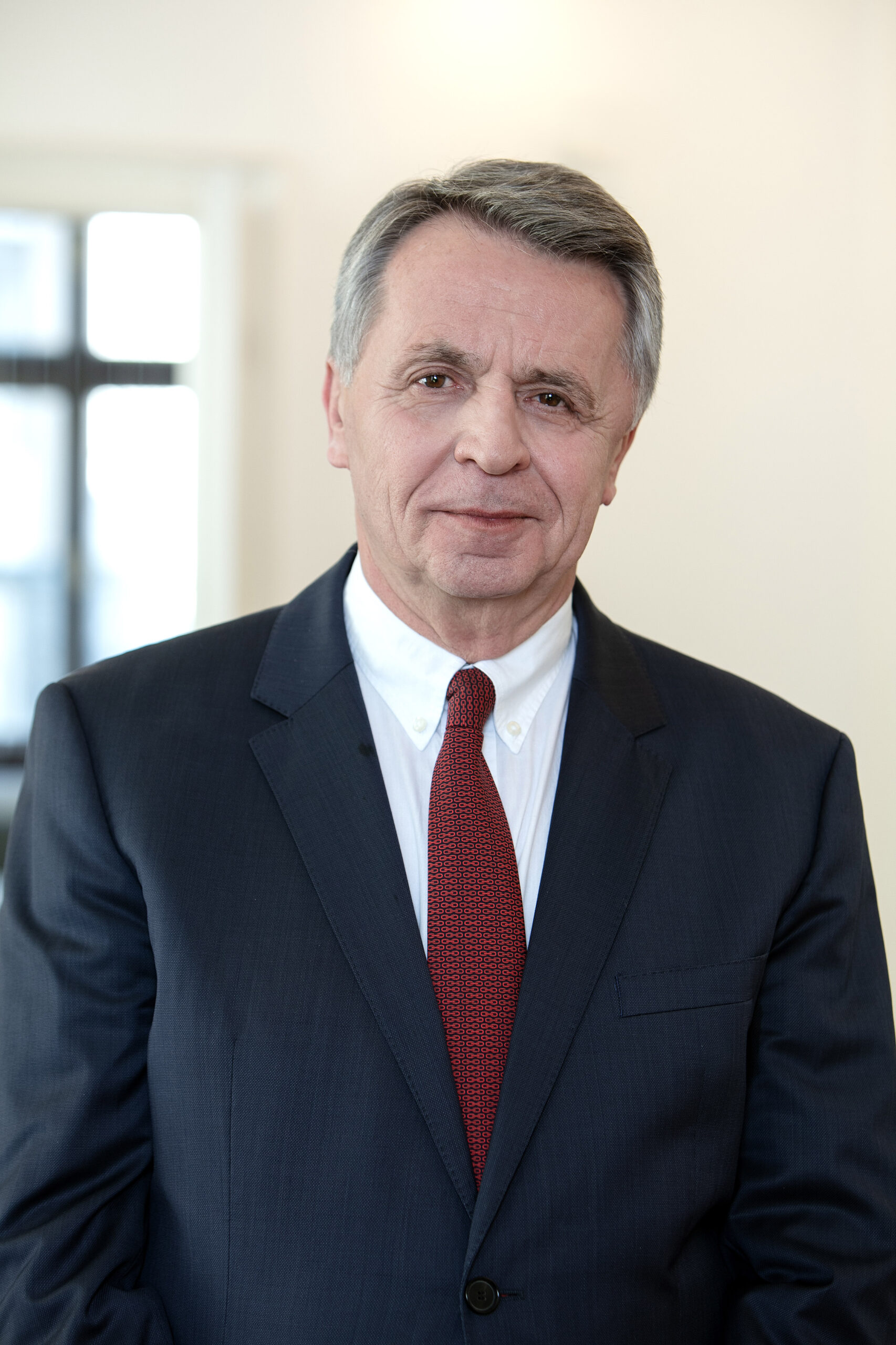
An interview with Igor Lichnovský, former CEO and current external member of the Eximbanka Board.
You led Eximbanka for many years as CEO and later served as chairman of its Supervisory Board. How has the bank itself evolved over the past 20 years?
I believe that over the past two decades, Eximbanka has naturally evolved in step with the needs of Slovak exporters and changes in international trade. Today, it offers a broader range of export support tools and is able to respond more flexibly to changing conditions in global markets. At the same time, it has remained true to its core mission—to support Slovak companies as they expand into foreign markets.
When you look back at the development of Slovak exports over the past few decades, in what areas have Slovak companies become the most professional, and where do you think there are still weaknesses?
In my opinion, Slovak companies today are significantly more experienced and better prepared to operate in international markets. Many of them successfully compete even in challenging foreign markets. However, I see room for further development primarily in broader territorial diversification of exports and a greater focus on products and services with higher added value.
How has the perception of risk in foreign trade changed since the time you headed Eximbanka, compared to today’s climate of geopolitical uncertainty and disrupted supply chains?
It is clear today that the risks are significantly more complex than they were twenty years ago. In addition to economic factors, geopolitical events, security issues, and supply chain disruptions also influence decision-making. This makes it all the more important for exporters to have access to high-quality risk management tools and reliable partners who can help them navigate uncertainty.
In your opinion, what types of decisions or projects related to export promotion require a longer time frame than is typically allowed by the political or economic cycle?
I am convinced that the key lies in building new export markets, supporting innovation, and developing strategic sectors. Equally important is the establishment of long-term business partnerships and trust, which cannot be achieved overnight. In the area of export promotion, continuity is one of the key prerequisites for success.
From the perspective of someone familiar with banking, insurance, and foreign trade: What should be Slovakia’s main goal in promoting exports over the next ten years?
I believe that our main goal should be to create a stable and predictable environment that will help Slovak companies succeed in foreign markets. At the same time, we should promote greater diversification of exports, higher added value for Slovak products and services, and strengthen the competitiveness of our businesses. All of this requires long-term cooperation between the government, financial institutions, and the business sector.
Author Filip Šandor
Source: export.sk